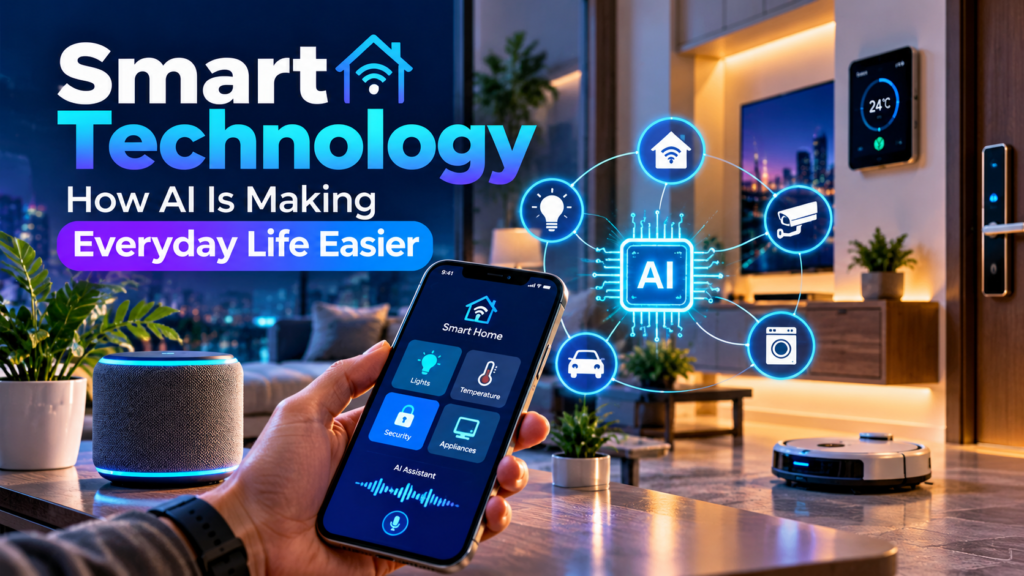
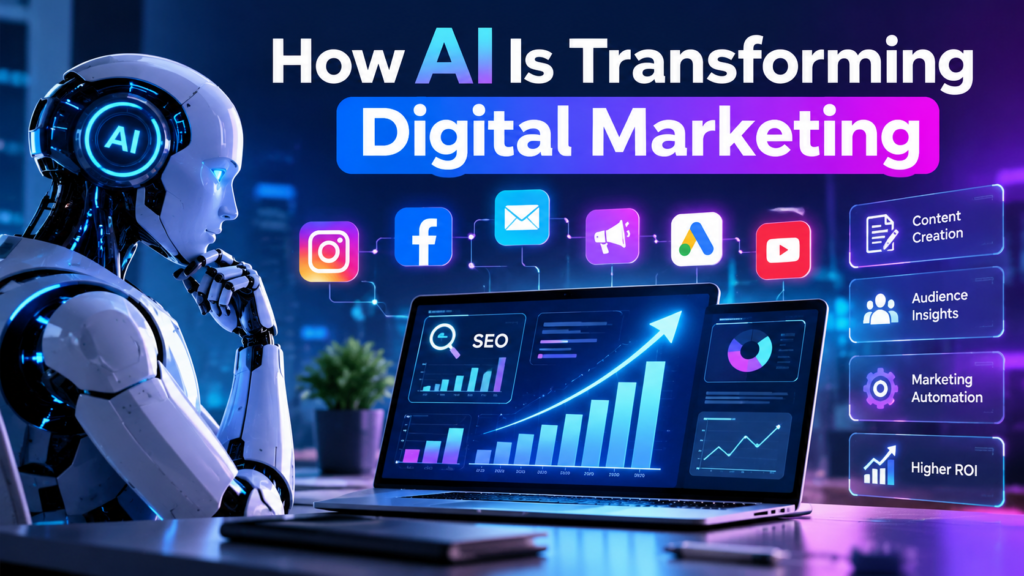
Artificial Intelligence (AI) and technology are transforming the world faster than ever before. From smart assistants and self-driving cars to advanced healthcare systems and intelligent automation, AI & Tech are changing how we live, work, learn, and communicate. Today, artificial intelligence is no longer just a futuristic concept. It has become an important part of everyday life, helping individuals and businesses complete tasks more efficiently. In this blog, we will explore what AI & Tech mean, how they work together, their applications, benefits, challenges, and future possibilities. 1. What Is Artificial Intelligence (AI)? Artificial Intelligence (AI) is a branch of computer science that focuses on creating machines and software capable of performing tasks that normally require human intelligence. AI systems can analyze information, recognize patterns, understand language, and make predictions based on available data. Examples of Artificial Intelligence Artificial intelligence helps make technology smarter, faster, and more useful. 2. What Is Technology? Technology refers to the tools, machines, software, and systems developed to solve problems and make human activities easier. It includes everything from smartphones and computers to advanced robotics, communication networks, and cloud computing. Major Types of Modern Technology Together, AI and modern technology are creating new opportunities for innovation. 3. How AI & Tech Are Changing Our Daily Lives Artificial intelligence is becoming increasingly important in everyday activities. Smart Homes AI-powered smart home devices can control lighting, temperature, security cameras, and other appliances. These technologies help improve convenience and energy efficiency. Education AI-based learning platforms can provide personalized explanations, practice questions, and feedback. Students can use AI tools to understand difficult topics and develop new skills. Healthcare Artificial intelligence helps healthcare professionals analyze medical images, organize patient information, and support disease detection. These tools can improve efficiency but still require appropriate human oversight. Transportation Modern vehicles use advanced sensors and intelligent software for navigation, driver assistance, and safety features. AI also supports traffic management and transportation planning. Digital Marketing AI tools help marketers with keyword research, content planning, customer analysis, and marketing automation. Businesses can use these technologies to better understand their audiences and improve digital strategies. 4. Top AI & Technology Trends The world of AI & Tech continues to develop through several important innovations. Generative Artificial Intelligence Generative AI can create text, images, computer code, audio, and other digital content. It is increasingly used in education, marketing, software development, and creative industries. Machine Learning Machine learning enables computer systems to identify patterns in data and improve performance on specific tasks through training. Robotics and Automation AI-powered robots are used in manufacturing, warehouses, research, and other industries to automate repetitive or complex tasks. Internet of Things (IoT) IoT connects everyday devices, allowing them to exchange information. Combined with AI, connected devices can monitor conditions and automate decisions. Cybersecurity AI supports cybersecurity by identifying suspicious activities, analyzing potential threats, and helping organizations protect digital systems. 5. Benefits of Artificial Intelligence and Technology AI & Tech offer several advantages to individuals, organizations, and society. These benefits make artificial intelligence an important part of modern technological development. 6. Challenges of AI & Technology Despite their advantages, AI and advanced technologies also introduce challenges. Data Privacy: AI systems may process sensitive information, making responsible data handling essential. Cybersecurity Risks: Connected systems can become targets for cyberattacks. Job Transformation: Automation may change existing jobs while creating demand for new technical skills. AI Bias: Poor-quality or unrepresentative training data can produce unfair or inaccurate results. Overdependence: Excessive reliance on automated systems may reduce human involvement in important decisions. Responsible AI development requires transparency, security, fairness, and human oversight. 7. The Future of AI & Tech The future of artificial intelligence and technology holds exciting possibilities. AI may help improve medical research, accelerate scientific discoveries, enhance education, and develop more efficient energy systems. Businesses are likely to continue adopting intelligent automation, while software developers create increasingly capable AI applications. Future technological progress will also depend on addressing challenges related to privacy, safety, reliability, and accessibility. As these technologies evolve, learning digital skills and understanding AI will become increasingly valuable. 8. Why Should You Learn About AI & Technology? Learning about AI & Tech can help students, professionals, entrepreneurs, and technology enthusiasts prepare for a rapidly changing digital world. Understanding artificial intelligence can support career opportunities in areas such as: Even basic AI knowledge can help people use modern digital tools more effectively. Conclusion AI & Tech are playing a major role in shaping the future of our digital world. From education and healthcare to business and communication, artificial intelligence is opening new possibilities for innovation and growth. Although challenges remain, responsible development and thoughtful use of technology can help society benefit from these advancements. Whether you are a student, professional, business owner, or technology enthusiast, staying informed about AI and emerging technologies can help you prepare for the future. Stay connected with our website for more articles, insights, and updates about Artificial Intelligence, Technology, and Digital Innovation.